
Connectivity in Counter-UAS Systems: Why the Connector Layer Decides Mission Success

September 9, 2026 · 1 min read

The Rise of Counter-Drone Defense

Cheap, commercial drones have upended air defense. Legacy systems were built to track fast, expensive, relatively rare targets like aircraft and missiles, but the modern threat is the opposite: quadcopters and fixed-wing drones costing a few hundred dollars, deployed at a volume no legacy system was designed to handle. The war in Ukraine has made counter-UAS (C-UAS) capability a daily survival requirement for frontline units rather than a specialized add-on, and that urgency is driving a new equipment category: layered counter-drone systems that detect, track, identify, and defeat small drones using radar, RF sensing, electro-optical and infrared tracking, jamming, and kinetic or directed-energy interceptors, all tied together by command-and-control software.
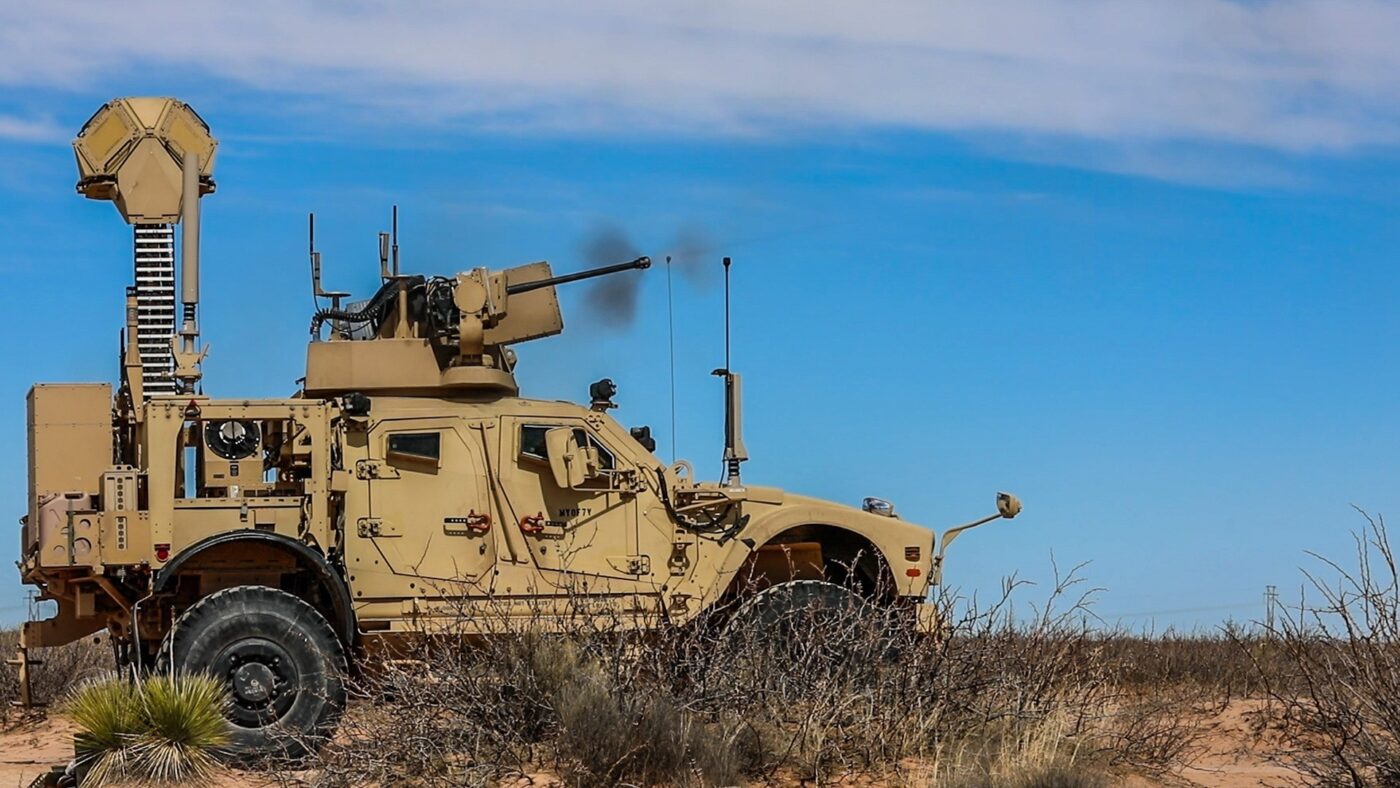

Why Connectivity Is the Hidden Engineering Challenge


As C-UAS systems evolve, they’re moving in two directions at once: getting smaller and more distributed, from vehicle- and ground-based platforms down to handheld and weapon-mounted gear, and getting more networked, as standalone jammers and radar boxes give way to integrated architectures. Both trends raise the stakes for the connectors, cables, and electronics that move power, signal, and data between components. In a system this dense and size-constrained, connectivity is no longer a commodity part. It’s an engineering decision with direct consequences for whether the mission succeeds.


From Soldier Kits to Missile Launch

From soldier-worn kits to vehicle-mounted weapons systems to one-time-use missiles, the connector and cable assembly choices behind C-UAS hardware determine whether a radar is light enough to fly on a drone, whether a missile guides to target instead of going dark mid-flight, and whether a soldier’s sensor suite works effortlessly or becomes one more burden in a fight that’s already moving too fast. As jamming alone becomes less effective against fiber-optic and autonomously navigating drones, the market is shifting toward layered defense architectures that depend on rugged, high-speed interconnects, like Fischer Connectors’ KEYSTONE hubs and UltiMate connector series, to tie sensors, software, and effectors together into a unified network.

This may be of interest to you

Next news

Customer voice: silicone overmolded cables for enhanced handling, longevity, and reliability

August 25, 2026 · 4 min read